300 Days of David on Earth
Last year, I left my life behind. I left the company I ran for 7 years, the relationship I was in for 10, and my home in San Francisco.
The ensuing 300-day voyage, which I named David on Earth, took me into experiences around the world I never thought I'd have. This series of articles shares the stories and lessons I'm bringing back home.
The funny thing about retrospectives is that they, like everything I experienced this past year, do not arrive on schedule. Here, I write each reflection, however small or large, as it arrived to me.
On PreparednessAKA: Getting stuck in the Kazakh desert (and other misadventures that turned out okay)
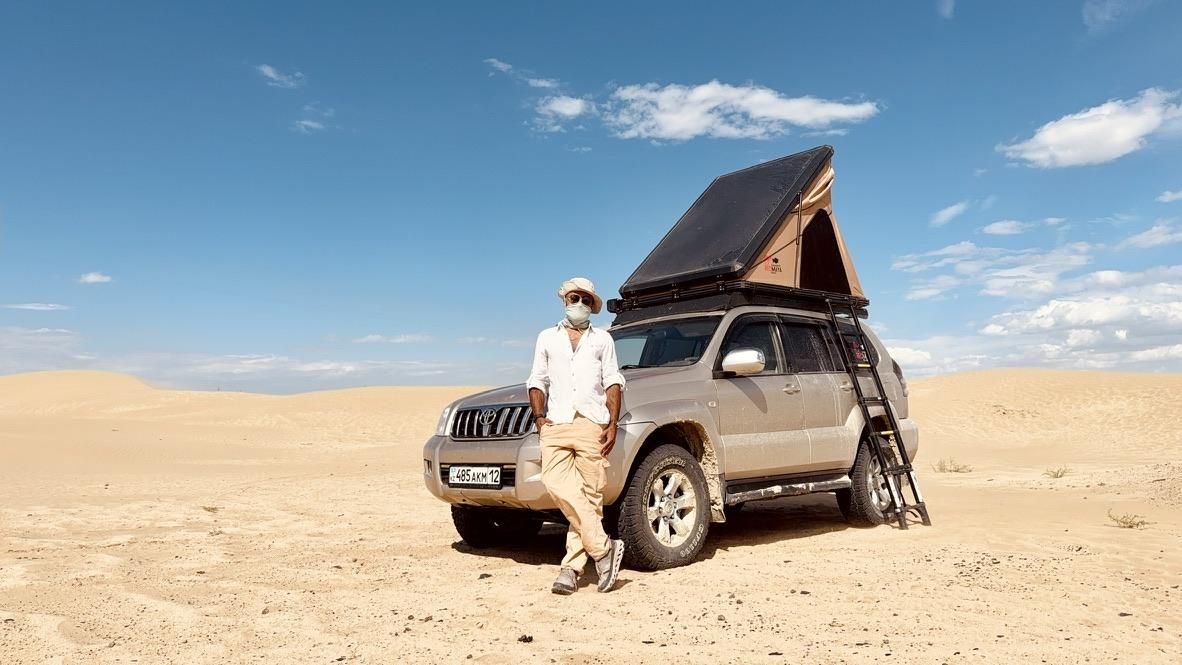
The past year brought me a wealth of new experiences across Asia, Europe, and South America. Some I prepared heavily for, some I prepared sparingly for. And yet, for some, I couldn’t have prepared even if I tried. This taught me a few important lessons about preparation, surrender, and how they interplay.
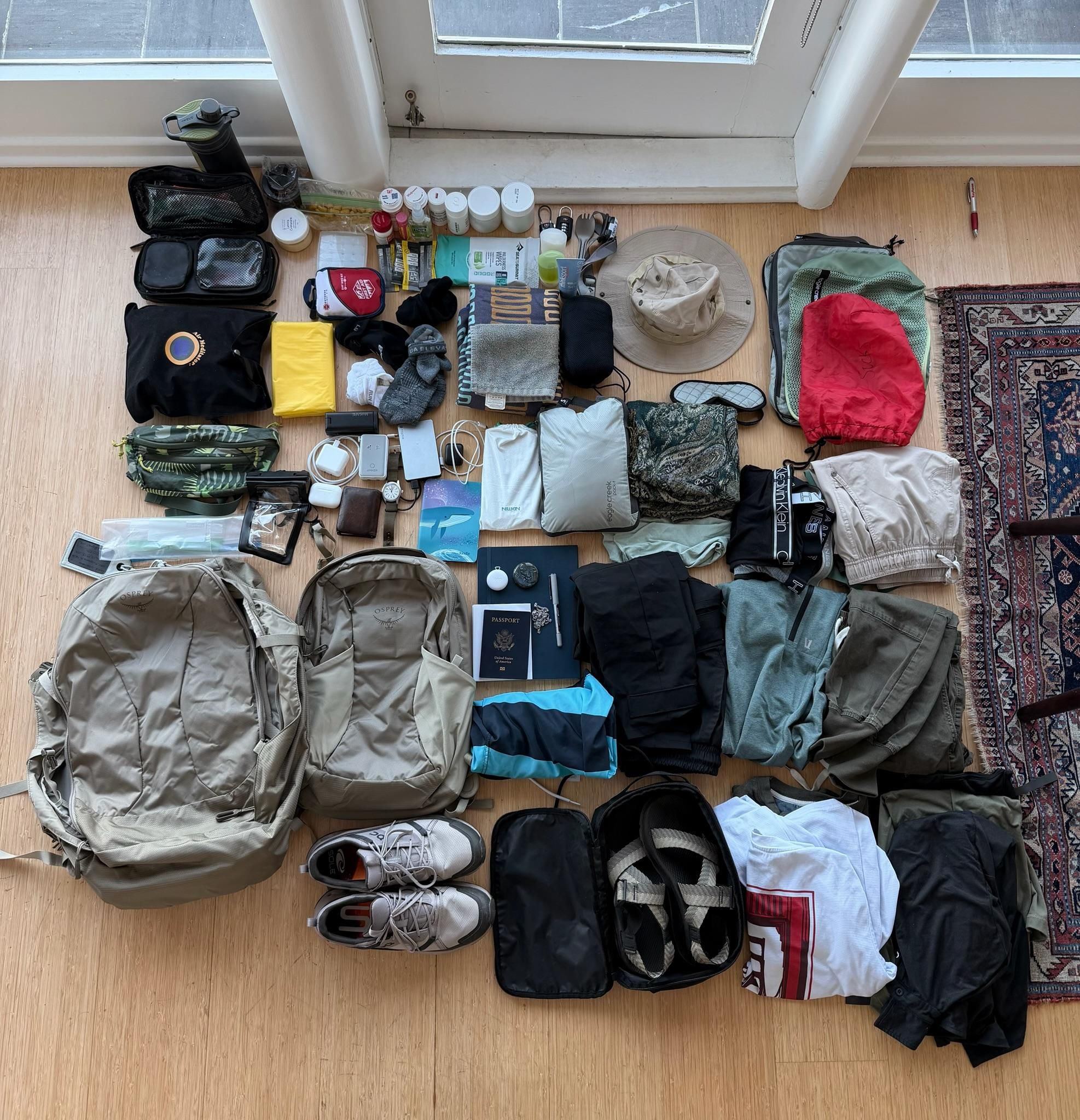
The night before I departed in December 2025, I snapped a photo of everything I was bringing arrayed neatly on the floor. I’d spent weeks obsessing over every detail and every scenario. The result was a well-planned combination of quick-dry utilitarian clothes and enough water treatment and medical supplies to survive a small apocalypse. Not to mention the panoply of vaccinations coursing through my veins. And this was after I decided to leave two months earlier than my anxious over-preparation instinct had planned.
Preparedness certainly has its place, as does surrendering to the unknowable. It’s easy for me to romanticize that devil-may-care attitude, the ease with which some people jump into new situations and seem to deftly follow the wind. I, on the other hand, need to do some groundwork before I can enjoy being blown around by the wind. The more wild stories and contrasting attitudes I encountered, the more I formed the belief that preparedness is not a fixed target.
Each unique person has their own ideal level of preparedness for each unique situation. I call this idea proper preparedness.
Proper preparedness means having just enough of your bases covered that you can fully surrender to experiences without constant worry. It means finding your own critical point between burdensome overpreparation and fear-stained underpreparation.
This trip helped me find my own feeling of proper preparedness. Yes, feeling—it’s a felt sense of deftness-yet-safety, of being held while experiencing something truly thrilling. It’s exhilarating.
Shaking free of preparedness habits
For any situation that carries risk—in my case, any situation with uncertainty around physical harm or discomfort—my default was to over-prepare. Pack too much. Plan too many contingencies. All things that add weight and time to every decision and activity. The alternative default is under-preparedness. I’m sure we all have that friend who shows up with so little that they need a bailout at the first unexpected turn. The importance, I found, was to regain the freedom to choose what actually feels right by shaking free of the default.
I began to feel properly prepared when I balanced a healthy amount of fear (yes, if I had removed all fear, I'd gone too far) and a healthy amount of contingency in case of surprises. For example, on a solo offroad trip in remote Kazakhstan, I knew I would be constantly stressed and unable to enjoy the moment without access to a satellite phone. I never used the satellite phone—the one time I got irrecoverably stuck, I lucked out by running into probably the only Jeep for miles, manned by two helpful Kazakhs and a winch. My few months of Russian study ended up being quite useful.
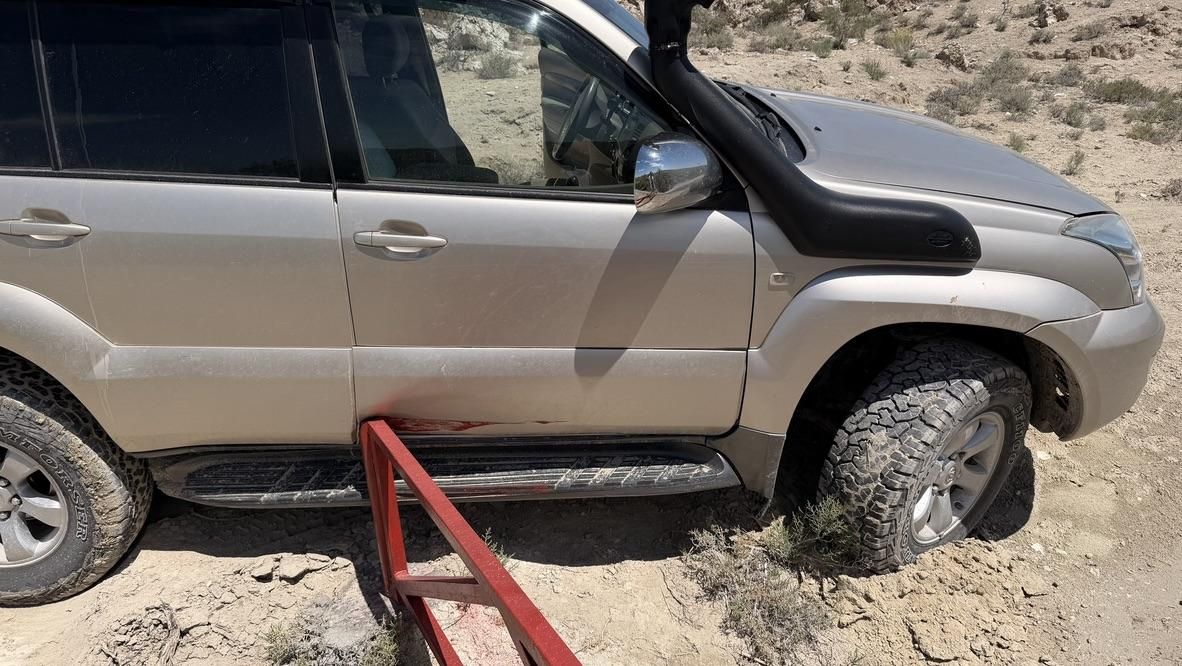
Over time, my feeling of proper preparedness converged on a simple principle: carry what I absolutely need, and do research to know that I can locate anything I might end up needing through local people or infrastructure. In other words: I built trust in my surroundings. I built trust that I am not alone.
Actually living by this principle, and shaking free of my overpreparedness instinct, required me to put myself in situations that I couldn’t fully prepare for. This forced me to accept some risk, trust that I could reach for aid if things weren’t okay; but, mostly, it forced me to trust that things would be okay. I never encountered a place where this wasn’t the case. The question, then, became learning and expanding my own personal risk tolerance.
Feeling the fear of the unpreparable
Experience | Risk | Preparation | Unpreparable |
|---|---|---|---|
Solo remote offroading | Getting stranded Overheating/dehydration | Two methods of satellite comms 2x more water than you think you need | Flash floods Rockslides Camel attack? |
Plant medicines | Permanent psychological trauma Death (rarely) | Right time Right environment Right guide | How my body reacts How my psyche reacts |
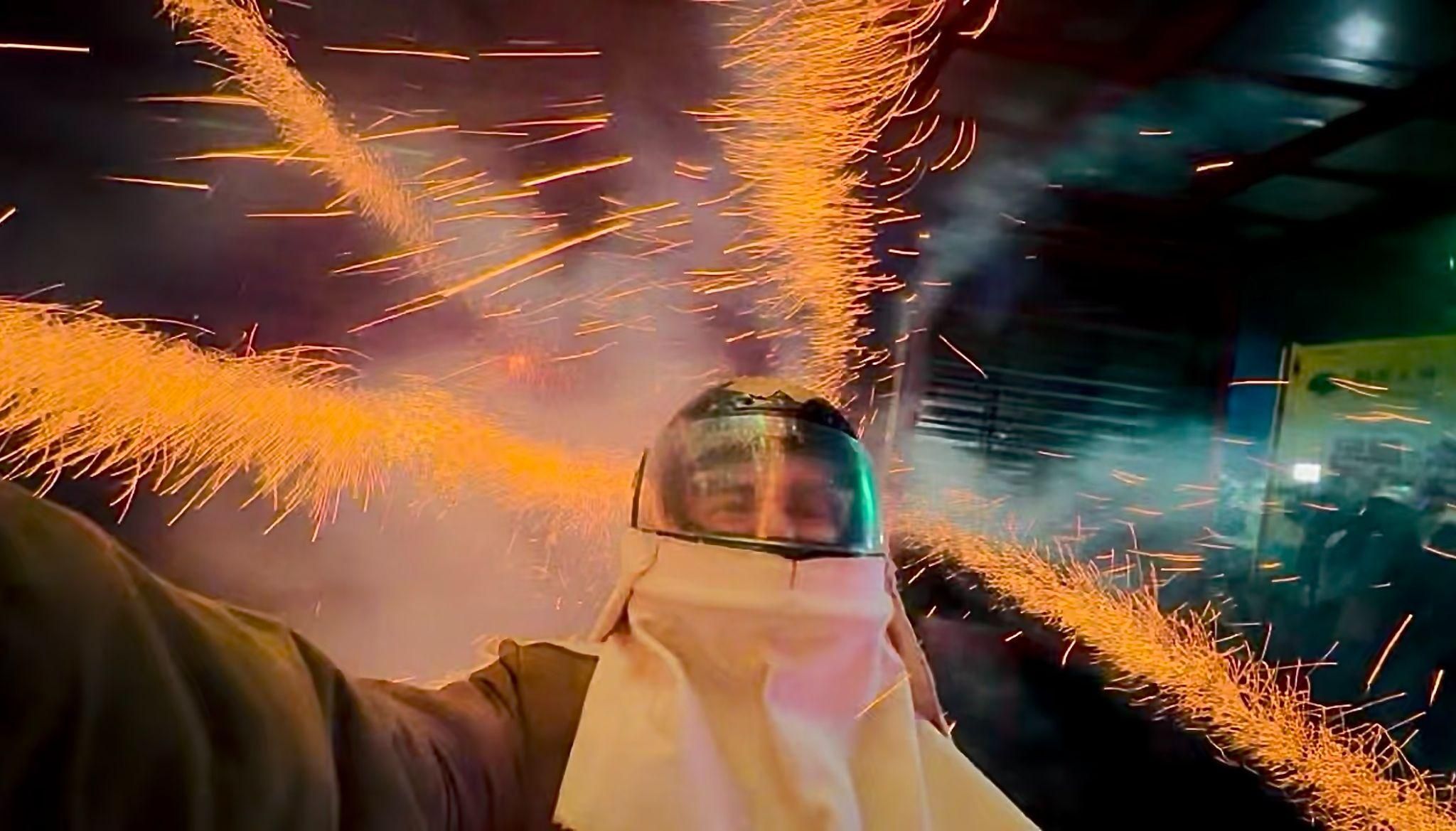
Yanshui Beehive Festival (Taiwanese festival where they shoot fireworks at you) | Catching on fire | Full protective gear Know before you go | Catching on fire anyway (this happened to me, but only a little!) |
Pakistani Independence Day demonstrations | Large crowds Military presence Arrest/detainment Chance of riots | State Department alerts Identify your exit routes early Read firsthand accounts from foreigners | What the crowd does, you do. |
These are some of the unpreparable experiences where I took the leap. Each is a story in and of itself, ones I hope to tell in future articles in this series. For now, suffice it to say that I managed to escape each of these unscathed thanks in large part to the research I did ahead of time.
And still other experiences lay beyond my risk tolerance no matter how much preparation I did. These, I backed out of. Like riding a motorcycle 8-9 hours per day in the Pakistani Karakoram mountains during monsoon season without a license. (You’re welcome, Mom.)
With each experience, I found that my overpreparedness instinct softened considerably. For the later expeditions I went on, such as trekking in Kyrgyzstan and visiting Pakistan, I generally relied on my newfound trust that I’d be able to find what I needed. I found that an excellent balance for me was to do a small trip with a local contact or agency for my first few days in a new place. This would give me some fallbacks while still allowing me to freely explore for most of my time.
Proper preparedness at home
Now, after returning to the USA, it feels like my proper preparedness has a new home. I’m not chasing the winds anymore, but there are always new experiences I’m confronted with. New people, new ideas, new life paths and long-term directions I could pour my energy into. I’m finding myself spending less time teetering at the ledge, less time gathering more data, and fewer spirals through “I’ll think about it” loops.
And yet—my next decisions will be big ones, with far-reaching consequences.
I feel that same timid readiness of staring down an unknown horizon with a pack of rations in my pocket.